
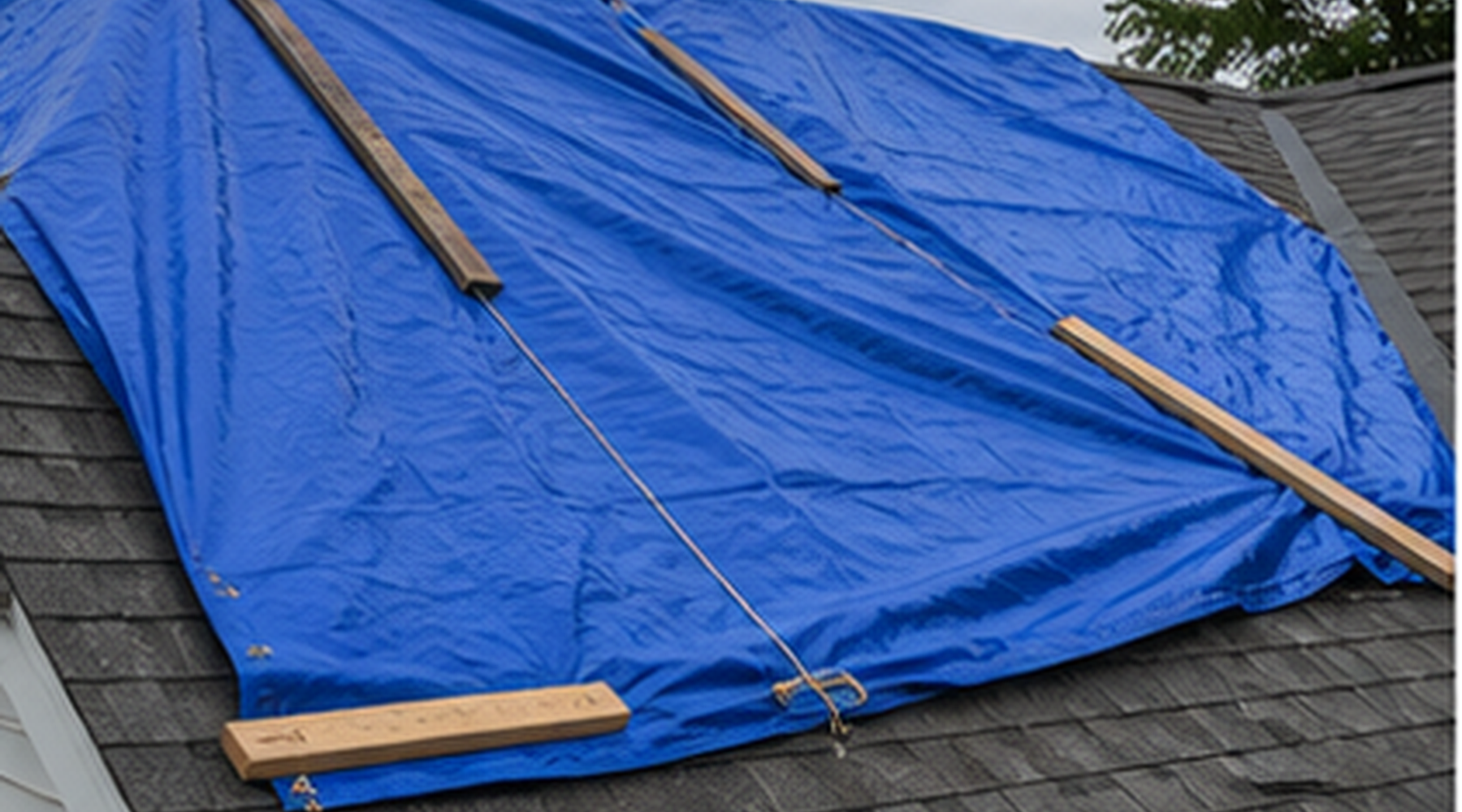
Roof vent repair in Frederick, Maryland

Flashing & Vent Repair

Roof Vent Repair in Frederick, MD

Damaged vents, loose caps, cracked collars, and ventilation-related leaks addressed after checking the vent body, flashing, fasteners, and surrounding shingles before sealing or replacing parts.

01Identify Vent Type And Condition

Ridge vents, box vents, turbine vents, and power vents each have different failure modes. We identify which type you have and what is causing the problem.

02Separate Vent Leak From Ventilation Problem

A leak at a roof vent and inadequate attic ventilation are different issues. We identify whether the vent is physically failing or whether there is a ventilation-related moisture problem.

03Repair Or Replace

Depending on the failure, we repair the vent flashing, replace a cracked vent body, re-fasten a loose unit, or replace the vent entirely if it cannot be repaired reliably.

Frederick Roof Repair

Roof Vent Repair: A Practical Plan For The Roof You Actually Have.

When you call us for roof vent repair, we start with the vent type, what you are seeing inside, and whether the issue is a physical leak at the vent, degraded flashing around the vent, or attic moisture from inadequate ventilation — because each of those requires a different fix.

Roof vent repair inspection

What We Check During Roof Vent Repair

We check step flashing, counterflashing, pipe boots, vent collars, dormer sidewalls, chimney edges, sealants, fasteners, and the drainage paths around each penetration.

Attic ventilation matters for ice dam prevention in Frederick winters. Ice dams form when a warm attic melts snow, which runs to the cold eaves and refreezes. Proper ventilation — balanced intake at the soffit and exhaust at or near the ridge — keeps the attic closer to outside temperature and breaks the ice dam cycle. If roof vents are damaged, blocked, or improperly installed, ventilation is compromised and ice dam risk increases.

When To Call

  • You see stains near a vent location on the ceiling or in the attic
  • A vent cap is visibly cracked, displaced, or loose from the ground
  • Attic moisture or condensation appears without a clear rain-related pattern
  • You want to verify your attic ventilation is adequate after ice dam issues

What You Get

  • Vent type and failure mode identified correctly before repair
  • Flashing around the vent checked along with the vent body
  • Ventilation adequacy noted if attic moisture is present
  • Photos and plain documentation of the repair
What Happens Next

Our Roof Vent Repair Process

1

Review

We review the stain location, vent type, whether moisture is rain-correlated, and whether roof vent repair or ventilation adjustment is the right scope.

2

Trace

We inspect the vent body, flashing collar, surrounding shingles, fasteners, and attic moisture patterns near the vent.

3

Repair

We repair or replace the vent, correct the flashing, and ensure the drainage path around the penetration is restored correctly.

4

Follow-Up

We note ventilation adequacy and explain whether additional intake or exhaust is needed to prevent moisture buildup in the attic.

Frederick Roof Planning

Want Help With Roof Vent Repair?

Send what you can see from inside or outside, plus when the moisture appeared and whether it correlates with rain. Photos of the vent from the ground help us scope the repair before the visit.

Request Service

Questions About Roof Vent Repair

How do I know if I need roof vent repair?

If you see stains on the ceiling near a vent location after rain, or notice attic moisture or condensation that cannot be attributed to plumbing, the vent or its flashing may be failing. A visible cracked or displaced vent cap from the ground is also a clear sign.

How much does roof vent repair cost in Frederick?

Repairing or replacing a single vent is typically straightforward. Cost depends on vent type, whether the flashing needs replacement, and whether surrounding shingles were damaged by water from the failed vent.

How many roof vents does a Frederick home need?

General guidance is 1 square foot of net free ventilation area per 150 square feet of attic floor area, split between intake (soffit) and exhaust (ridge or box vents). We assess your current ventilation balance if attic moisture is part of the concern.

Related Flashing & Vent Repair Services